

In an age of instant gratification and games that guide you every step of the way, “the grind” can feel like something from the past. Why would anyone spend dozens, even hundreds, of hours doing the same tasks over and over for tiny bits of progress? But for those of us who grew up with 8-bit and 16-bit classics, the grind wasn’t just part of the game; it was the whole point. It was that slow, steady climb that made winning in the end feel so much better. The rise of retro gaming shows that people still appreciate this effort and reward. This deliberate pace and need for dedication are key to the enduring appeal of retro gaming, creating a special connection between player and game that many modern titles just don’t capture.
Why We Love the Old School Grind
Our fondness for the old-school grind comes from some simple but powerful psychology. Modern games often have complex reward systems, but retro grinds offered a clear deal: put in the work, and you’d see results. Every enemy you beat in *Dragon Quest* meant a few more gold pieces and experience points, getting you closer to your next level. Every perfectly timed jump in a super tough *Mega Man* stage was a small win, training your muscle memory for the final boss. This clear link between effort and reward creates a deep sense of accomplishment.
Nostalgia in retro gaming definitely plays a big part too. For many, these games are a trip back to a simpler time, not just in how games were made, but in our own lives. We cherish the memories of hours spent leveling up characters after school or on a rainy weekend. The grind was a journey we took, and going back to it feels like coming home. It wasn’t about fancy graphics or complicated stories; it was about the pure joy of the gameplay loop.
That’s not to say it was always “fun” in the usual sense. The grind could be repetitive and, at times, frustrating. Still, it helped us get into a zen-like focus. You could turn off the analytical part of your brain and just *do*. Many players still look for this meditative quality today, as a break from the complexities of modern life. The simple act of fighting monsters to watch an experience bar fill up gives you a clear sense of progress that’s sometimes missing in the real world.
Patience and Persistence in Pixel Worlds
Retro games were tough teachers, and their main lesson was patience. They didn’t hold your hand or shower you with rewards for doing very little. You earned progress through sticking with it, repeating tasks, and being willing to fail and try again. Think about the hours spent trying to master one screen in *Ghosts ‘n Goblins* or figuring out the perfect way to beat a boss with limited resources. These challenges weren’t just roadblocks; they were character-building exercises.
This demand for dedication meant that when you achieved something, it felt truly earned. When you finally beat that incredibly difficult level, it wasn’t because the game decided you were ready; it was because *you* had gotten good enough. This taught us a valuable lesson about delayed gratification. The satisfaction wasn’t instant, but when it came, it was huge and deeply personal. You had conquered the challenge through your own skill and hard work.
Of course, the time commitment these old-school grinds require can be a big problem for players with busy modern lives. Juggling work, family, and other responsibilities can make it hard to dedicate hundreds of hours to max out a character or beat a game’s toughest bosses. In these cases, some players turn to professional gaming services to help them get past the most time-consuming parts. This lets them experience the best bits of the game without the huge time sink, enjoying the high-level content and sense of achievement even with a packed schedule.
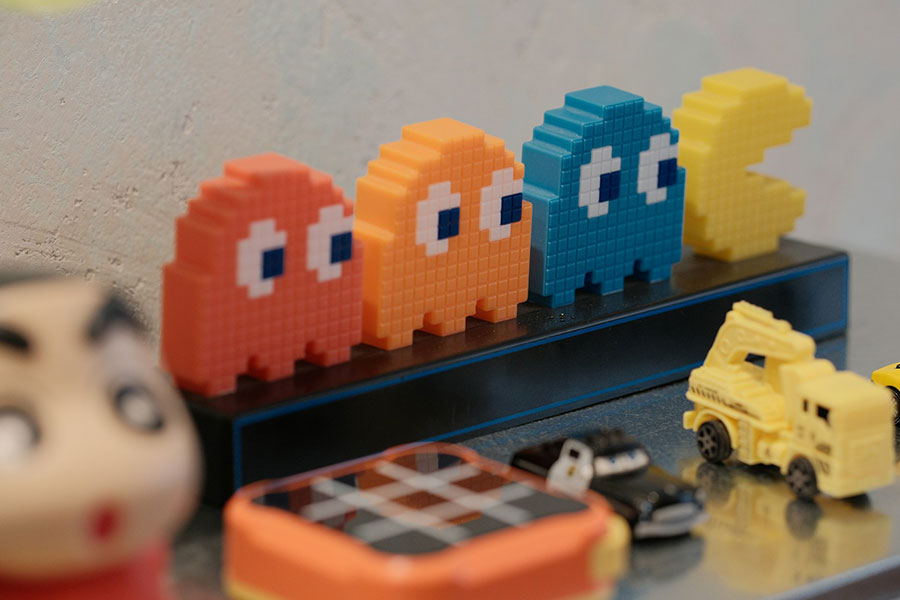
Classic RPGs and Time Investment
Nowhere is the grind more iconic than in classic role-playing games (RPGs). Games like the early *Final Fantasy* series, *Chrono Trigger*, and *Phantasy Star* were built around the core loop of fighting, leveling up, and getting better gear. The stories were epic, but the journey itself was defined by countless battles fought in forests, caves, and castles. This wasn’t seen as a chore but as a vital part of the adventure. It was how your party of heroes grew from vulnerable beginners into champions who could save the world.
The amount of time you had to put in was staggering by today’s standards. Players would spend hours walking back and forth in a small area of the world map, fighting the same enemies repeatedly, just to gain one or two levels before tackling the next dungeon. This was crucial for survival. Unlike many modern RPGs that adjust difficulty to your level, these classic games had brutal difficulty spikes. If you weren’t strong enough, you simply couldn’t move forward. The grind was the answer.
This process also helped players feel a deep connection with their characters. You weren’t just pressing buttons; you were carefully planning their growth, choosing their equipment, and celebrating each new spell or ability they learned. The nostalgic joy of retro gaming is often directly linked to these moments of slow, meaningful progress. Finding a rare item after hundreds of battles wasn’t just luck; it was a triumphant moment that validated all the time you’d invested. It was your reward for your dedication to that pixelated world.
Mastering OSRS’s Toughest Challenges
*Old School RuneScape* (OSRS) is a perfect modern example of the retro grind philosophy. Originally a 2007 version of the main game, OSRS was brought back because people loved it, and it has thrived by embracing old-school game design principles. In OSRS, nothing comes easy. Every skill, from fishing to magic, demands a huge time investment to level up, with reaching the maximum level of 99 often taking hundreds of hours per skill.
This dedication to the grind is what defines the OSRS community. A player’s skill levels and gear directly show the time and effort they’ve put in. Earning a “max cape,” which means reaching level 99 in every skill, is a monumental achievement that can take years. It’s a badge of honor that other players instantly recognize and respect.
Beyond skill leveling, OSRS features some of the most demanding solo challenges in all of gaming. The Inferno, for example, is a wave-based endurance trial that requires nearly perfect gameplay, strategy, and concentration for over an hour. Earning the coveted Infernal Cape for completing it is one of the game’s ultimate status symbols. Similarly, finishing all Combat Achievements or taking on the new Colosseum requires a deep understanding of game mechanics and a huge amount of practice. These challenges are the modern embodiment of the retro grind: punishingly difficult, incredibly time-consuming, and immensely rewarding when completed. They prove that the desire to overcome formidable odds for a truly earned victory is still very much alive.
The grind is more than just repetition to these retro games; it’s a testament to dedication. It’s the quiet satisfaction of watching numbers go up, the thrill of finally beating a challenge that once seemed impossible, and the shared experience that brings gaming communities together. In a world that moves ever faster, the slow, deliberate pace of the retro grind offers a rewarding and meaningful escape.