
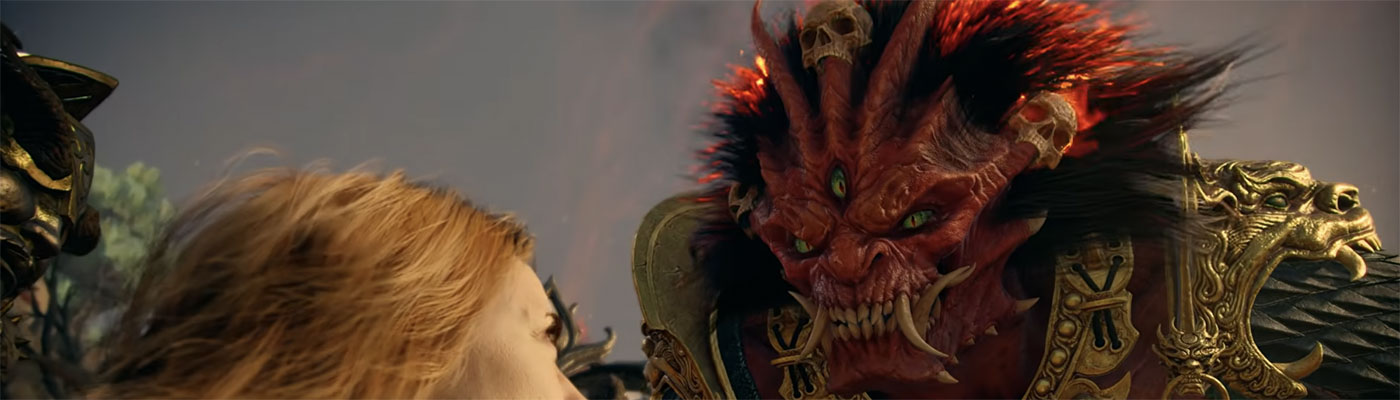
Recently, the release date and pre-order opening for the next game in the sprawling God of War series was revealed. The new GoW, Laufey, will hit the shelves – with a real physical disc in the case – on 16 February 2027, ushering in a new chapter where Kratos isn’t the protagonist.
It’s a bold move for the studio, particularly after both the rampant success of Ragnarök. Then again, bold moves are the studios style.
A History of Bold Moves and Spin-Offs
The God of War series began in 2005, firing players into the rage-filled boots of a Spartan-turned-god-killer. It was a distinct take on the setting, and one that both respected the stories of old and the setting, while also creating a fresh story that made players want to take on the legendary deities of the Ancient Greek pantheon.
Many creations over the decades have been more inclined to adapt to the letter, as this BFI list shows. Ulysses, Jason and the Argonauts, and The Return, among others, are closer adaptations of the source material, while God of War asked a different question: what would a man would do if grievously wronged by their gods?
Given that the Greek gods are invariably depicted as mighty, it emphasised the challenge ahead. After all, even in games like those at a UK casino, the gods and heroes of the age are the ultimate powers. Shield of Sparta, Zeus Hyper Frames, Medusa’s Stone, and more all utilise these beings for their appeal and known power.
By the end of God of War III, though, there wasn’t really much left for Kratos to do in the realms of Greek myth. And that’s where the developers made a bold leap: they cast Kratos into Norse mythology.
Finding What Awaits the Gods
Kratos’ story has gone from one of vengeance to trying to stay out of the business of the gods. God of War Laufey takes us back to the days of confronting them head on. It picks up from the funeral that kicks off 2018’s God of War, following Faye, Kratos’ deceased wife, into the afterlife realm.
The gameplay reveal doesn’t offer much of a link to Kratos’ past, or Greek mythology at all this time. Instead ,we see the Mongolian and Tibetan warrior deity Begtse and Egyptian warrior goddess Sekhmet.
While the story will, naturally, focus on Faye trying to navigate this new world and these apparent antagonists, it should also provide a tie-in to the main story – as all good spin-offs do. It could be here that she finds the way to new realms of mythology in need of Kratos’ intervention, for example.
God of War’s creators have done well in the past to add to the Kratos story in their many spin-offs, and Laufey has the makings of another worthy entry. How they tie it all together and make the gameplay engaging will be the ultimate deciding factor as to how well it’ll build on the grand legacy of one of gaming’s greatest series.