
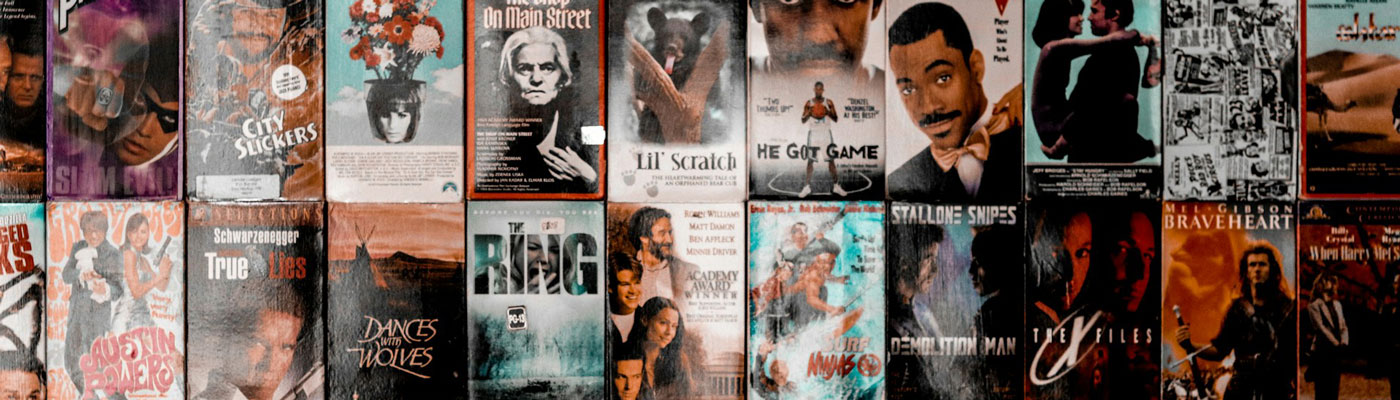
Classic performance artwork can preserve the mood of an entire production in one carefully composed image. Long after a film has left cinemas or a stage show has closed, its artwork continues to communicate character, atmosphere and cultural context. The strongest examples also stand independently as pieces of visual design. Their lasting power comes from this ability to promote entertainment, tell a compressed story and trigger personal memories at the same time.
Iconic Illustration in Commercial Entertainment
Commercial entertainment artwork sits at the meeting point of artistic expression and clear communication. Designers have only a few seconds to attract attention, establish a tone and make a title memorable. Distinctive typography, controlled colour choices and expressive portraiture help an image perform all three tasks.
The relationship between art and promotion has long been fluid. Discussions of popular culture as art show how imagery created for mass audiences can gain cultural significance beyond its original purpose. Strong artwork should still hold your attention when separated from its release date, advertising copy and cinema setting.
Distilling Complex Narratives into Single Frames
A successful poster translates hours of storytelling into one frame. Scale might establish the relationship between two characters, whilst a restricted palette can suggest romance, suspense or comedy before you read a word. Even space carries meaning, directing the eye towards a face, title or symbolic detail.
Some designs become so closely associated with their films that the artwork remains recognisable decades later. This process has parallels with documentation of live art. Images associated with influential performance art figures often become the lasting public record of temporary events. Commercial illustrators face a similar challenge: they must choose the gesture or visual motif that best represents a much larger experience. When assessing a design, cover its title briefly and study the remaining image. If its genre, mood and central relationship are still legible, the artist has achieved remarkable narrative economy.
Why Vintage Movie Posters Command Collector Attention
Older posters offer evidence of changing design methods as well as film history. Hand-painted portraits, lithographic colour, photographic montage and hand-rendered lettering each reveal how artists worked within the printing technology and marketing conventions of their period. Condition matters, yet small signs of age can also confirm that an item had a working commercial life.
Collectors should examine printing details, dimensions, fold patterns and provenance before purchasing. A reputable seller should provide clear photographs and disclose restoration, fading or paper loss. Browsing collections of movie posters can also help you compare different periods, formats and approaches to film artwork. It helps to decide why you want a particular piece. Someone building a historically focused collection may value an early release format, whilst a buyer furnishing a room might prioritise colour, scale and framing potential. Store unframed paper flat in acid-free materials and keep displayed artwork away from direct sunlight.
Emotional Connections That Cross Generations
Entertainment artwork often becomes attached to a specific occasion: a first cinema visit, a family tradition or the discovery of a favourite performer. Those associations give a printed image emotional weight that cannot be measured through rarity alone. A parent and adult child may value the same design for entirely different memories, allowing the artwork to gather new meanings over time. Looking back at classic movie posters that have stood the test of time can also bring back memories of the films, performers and eras that shaped people’s tastes.
The best displays make room for that personal history. Museum-grade glazing and an understated frame will protect the paper without competing with its colours, whilst a short note kept behind the frame can record where the piece came from and why it matters. Years later, that note may prove as revealing as the artwork itself. A classic poster lasts because every generation sees the original story through its own experience.