
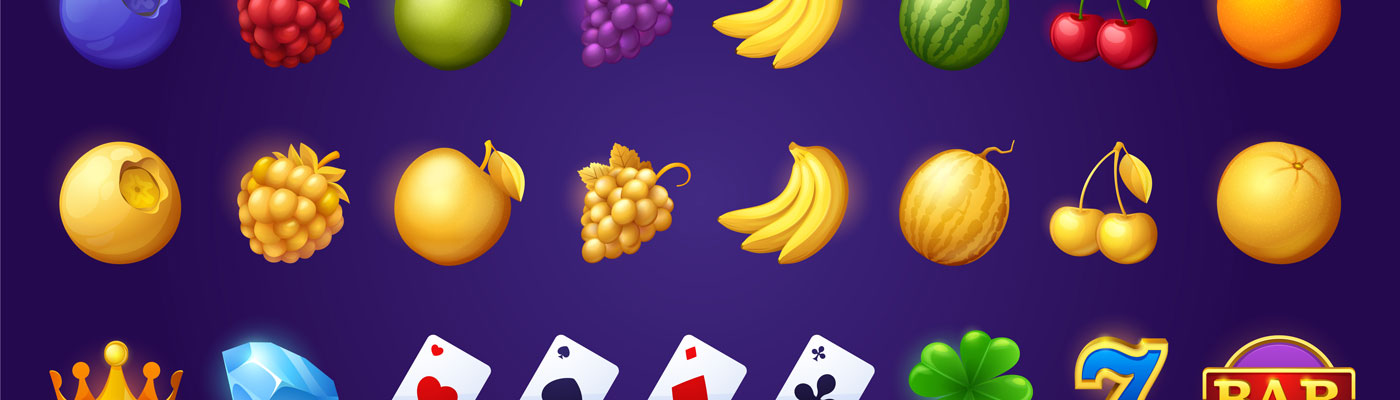
Put a pair of cherries beside a bell and a black BAR symbol, and you hardly need to explain the picture. Most people will think of a fruit machine, even if they have never played one.
That is quite a run for a few small drawings. They have survived changes from metal reels to video screens, then followed the games onto laptops and phones.
The odd thing is that they did not all arrive together. The bell came from an early machine’s name, while the fruit and BAR symbols had a connection to chewing gum. Their past is rather more interesting than someone deciding that cherries looked lucky.
The Coins Have Gone, but the Cherries Stayed
An old machine needed somewhere to put your coins and a tray to catch any payout. An online slot can keep the same fruit symbols without needing either part.
Around those reels, almost everything has changed. Games can run on phones, balances appear on screen, and players no longer need the right change before starting.
Payments have changed with the market, too. A casino’s banking menu can vary by country, with local services sitting beside cards and wallets. In the UK, examples include debit cards, Apple Pay, PayPal and Pay by Bank, depending on the operator.
For readers comparing those options, OnlineCasinoGroups has a guide covering all casino payment methods in UK, with links to individual payment methods and casinos that support them.
You can now pay through your phone and open a game that still looks vaguely like something from a seaside arcade. The payment process has moved on, but nobody has found a pressing reason to retire the cherries.
The Bell Was There Before the Fruit
Charles Fey’s Liberty Bell machine used three reels and paid winnings automatically. Built in San Francisco during the 1890s, it helped establish the layout that later slot makers copied.
Its symbols included card suits, horseshoes and an image of Philadelphia’s Liberty Bell. The familiar bell on today’s reels has a direct link to that early machine.
So the bell was not added just to suggest a win or make the machine look cheerful. It was part of the game’s identity before fruit symbols became standard.
Three matching bells were also the top-paying combination on Fey’s machine. That gave the picture a job as well as a name: it was something players wanted to see lined up.
It is a nice detail to know when looking at an old cabinet. A bell that seems like a random bit of decoration is actually one of the oldest parts of the design.
The Cherries Had a Chewing Gum Connection
The fruit arrived as manufacturers tried to present gambling machines as something more ordinary. Gum-vending attachments helped them argue that customers were buying a product, rather than simply paying for a chance to win.
Fruit pictures fitted that story because they suggested gum flavours. Cherries, oranges, lemons and plums replaced earlier card symbols, and the name “fruit machine” took hold in Britain.
There is a slightly funny detail behind the respectable shop-counter appearance. In 1910, Mills Novelty added an optional gum-vending mechanism to its machines, but the gum was poor quality and often left untaken. The cash payouts were still the main attraction.
That makes the fruit less of a cute design choice than it first appears. It helped sell a story about what the machine was doing.
The pictures outlasted the gum by a very long way. Nobody opening a cherry-themed slot on a phone expects a packet of sweets to come with it.
BAR Was a Wrapper, Not a Pub Sign
BAR is probably the strangest survivor. Cherries and bells are actual objects, while a rectangle containing the word “BAR” looks like a label that lost its explanation.
The link is to the gum wrapper used on those early machines. What became a familiar slot symbol began as a reference to the product supposedly being sold.
Knowing that gives the artwork a different feel. The black rectangle is a trace of old packaging, carried into games whose players may never have heard the gum story.
It also explains why trying to read BAR as a reference to pubs leads you in the wrong direction. The word now belongs so firmly to slots that it rarely needs any explanation at all.
They Are Still Good Pictures for Small Reels
History explains where the symbols came from. It does not fully explain why designers keep choosing them when they could draw almost anything.
I think part of the answer is simply that they are easy to tell apart. Red cherries, a yellow bell and a dark rectangle have different shapes and colours, even when squeezed into a small window.
Compare that with a game using several similar-looking helmets or portraits. You may need a moment to work out whether two pictures match, especially on a phone.
Fruit symbols also come with a mood already attached. They suggest bright cabinets, chunky buttons and games standing beside pinball tables or arcade machines.
A designer can borrow that feeling without copying an entire old cabinet. Much like pixel art in a new platform game, the older pictures can be a choice rather than a limit.
Familiar Artwork Can Hide a Very Different Game
The fruit is no promise that a modern slot behaves like a mechanical machine. The rules underneath can be quite different, however familiar the screen looks.
Take Pragmatic Play’s Fire Hot series, which includes cherries, lemons, oranges, grapes, apples and watermelons. Its four versions have 5, 20, 40 or 100 paylines, with the number shown in each game’s name.
NetEnt’s Twin Spin takes another route, combining a classic casino look with linked reels and 243 ways to win. Matching symbols pay across neighbouring reels from the left, rather than along a set of drawn paylines.
Those are different games wearing some familiar clothes. The artwork tells you about the theme; the paytable tells you what actually counts as a win.
That is probably why cherries, bells and BAR symbols have lasted so well. They carry a history people can recognise, while leaving plenty of room for the game itself to change.
For anyone who enjoys old arcade artwork, that is part of the charm. A small picture on a modern screen can still carry a bit of a metal cabinet, a gum wrapper or a long-gone machine maker’s idea.