
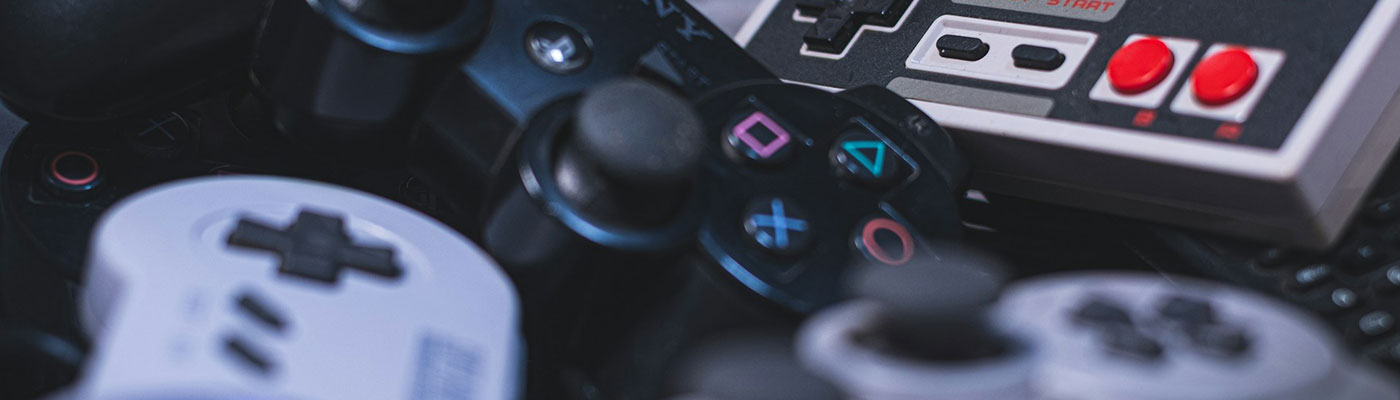
If you remember the satisfying “clack” of a joystick at the arcade, or how good it felt to finally beat a boss on your chunky gray console, then you have seen the very beginning of an amazing story. Gaming has gone from simple pixel screens to huge, connected digital worlds. What started as trying to get a high score is now a place for creativity, community, and even business. It has changed how people play and interact.
From Arcades to Online Worlds
Gaming’s journey is a cool story of how technology kept getting better. It started with games like Pong and Space Invaders, which were simple, addictive, and only on one screen. Then home consoles brought the arcade fun into our living rooms, making memories of long game sessions and friendly fights. But the real change happened with the internet. Suddenly, other players weren’t just on the couch next to us; they were across the country or even around the world. This was a big moment for the evolution of video games, moving from playing alone to huge online games with lots of people.
The Rise of Player-Driven Content
Old games were set in stone. Developers made the whole experience. You played the story they wrote and explored the world they built. Today, many popular games are more like digital playgrounds. Games like Minecraft and Roblox give players the tools and let their imaginations run wild.
This change has given a whole generation of creators the power to design anything, from tricky obstacle courses and detailed role-playing adventures to unique clothes for avatars. The game isn’t just something you buy anymore; it’s a blank page for millions of people to show their creativity and share it globally.
Virtual Currencies and Digital Assets
With worlds made by players came economies run by players. In-game money is now a common part of modern gaming, letting players buy, sell, and trade digital items. This money, like the Robux in Roblox, helps the creative system by letting players buy access to special games, avatar accessories, and other virtual items made by other players.
This has created a lively digital market where players can support creators they like. As these economies grow, there’s a bigger need for trustworthy platforms where users can buy Robux safely and join in the community’s buying and selling without worrying.
Connecting Generations Through Play
One of the best things about how gaming has changed is that it can connect different generations. A parent who grew up with a Nintendo Entertainment System may remember the battle between Sega and Nintendo, when playground debates over Mario, Sonic, and which console was better became part of gaming culture.
They might not understand every new trend today, but they can still grab a controller and race their kids in Mario Kart. Games like Minecraft offer a shared creative space where parents and kids can build things together. The main parts of playing, exploring, solving problems, and competing are timeless. Technology has just made these shared experiences better and easier to get to, showing how gaming has evolved into a powerful social tool.
The Future of Gaming Economies
It’s getting harder to tell the difference between playing a game and being part of an economy. The digital things players get, whether it’s a rare cosmetic item or a piece of virtual land, have real value within their communities. As these digital worlds get more advanced, so will their economies.
The future may bring games where skills learned through play, such as design, community management, or trading, can have value outside the game as well. The next generation of games might not just be about escaping reality, but about building, creating, and earning in a new digital world.
Gaming has come a long way from the flashing lights of the local arcade. It has become a big cultural force that connects us, lets us be creative, and builds whole new worlds from scratch, one pixel at a time.