
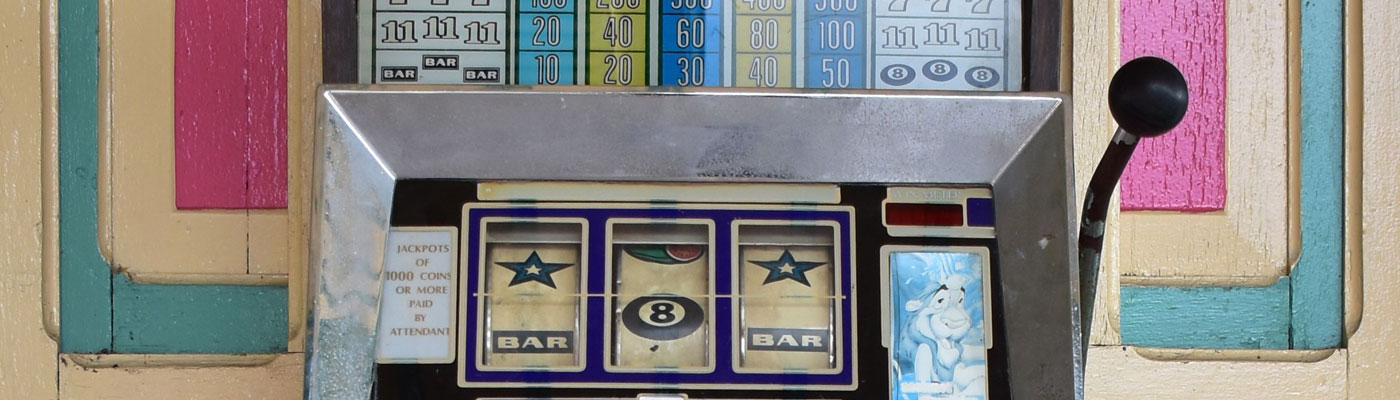
Slot machines did not begin as glowing cabinets with bonus wheels and movie themes. They started as heavy boxes with gears, a lever, and a promise that three matching symbols could pay for a drink or cigar. The design changed because players changed, and operators learned what made people stop, look, and drop in a coin.
Every decade left a mark. Cast iron became chrome, then molded plastic, then glass screens controlled by chips. The best designs kept one old trick: a clear pause before the result appears.
Brass, Springs, and the First Reels
The early Liberty Bell machines of the 1890s were simple but clever. Charles Fey used three spinning reels, five symbols, and an automatic payout for the top win. A bartender could understand the machine in ten seconds. So could a tired factory worker with one nickel left.
That clear layout still shapes player choice at https://onlinecasinoeurope.net/ across Europe, because a slot still has to explain itself before the first paid spin. The fruit symbols were not random decoration. Cherries, bars, bells, and horseshoes worked because they were readable through scratched glass and smoky rooms.
For modern sites, secure deposits at Payz casinos make gambling feel less like a side chore and more like part of the cabinet itself. That link between payment and design began with coin slots, locked cash boxes, and loud payout cups that told the whole room someone had won.
The content layer later grew around the variety of casino games at mejor casino online and a VIP program, but the old lesson stayed plain: players notice speed, sound, and fairness before they notice the menu.
Electromechanical Cabinets Learned to Perform
By the 1960s, slots had motors, lights, and better sound. Bally’s Money Honey, released in 1963, changed the feel of the floor by paying up to 500 coins without an attendant. That mattered. A machine no longer looked like a stubborn vending box.
Designers started staging wins. Lamps flashed in patterns. Reels stopped with a tiny delay between them, which turned a plain result into a three-beat tease. Cabinets grew taller so the top glass could sell the theme before a player sat down.
The lever survived longer than it had to. Buttons were faster and easier to maintain, but the lever gave the body something to do. Pull, wait, react. That little ritual carried a century of design memory into a machine packed with wiring and relays.
Video Slots Made the Screen Flexible
The first video slots in the 1970s made some players suspicious. No spinning metal meant no visible proof. Designers answered with familiar symbols, reel animations, and paytables printed right on the glass. Trust had to be drawn, not assumed.
Then the screen became a playground. Five reels replaced three. Lines bent diagonally, zigzagged, and crossed the grid like thread. Bonus rounds let a fisherman pick a tackle box or an explorer open a stone door. Small stories fit inside a spin.
Math changed too. A mechanical reel had physical stops, so rare symbols were limited by space. A digital reel could weight outcomes in code. The result was more control over hit rate, top prize, and the long dry spells that separate casual fun from irritation.
Digital Classics Borrow the Old Tricks
Modern classic slots are full of nostalgia, but they are not museum pieces. A game with lemons and sevens still uses advanced audio layers, animation timing, and mobile layouts built for thumbs. The old symbols stay because they reduce thinking. Spin, read, repeat.
Developers now test tiny details that a 1905-era mechanic would recognize in spirit. How long should the final reel wobble. How bright should a near miss appear. How sharp should the coin sound be on a phone speaker at midnight. None of this is accidental.
The better games avoid clutter. They give enough motion to feel alive, then get out of the way. Bad ones shout. Good ones breathe. That is why a plain three-reel slot with clean pacing still holds attention beside branded video titles with huge art budgets.
Mobile Play Changed the Cabinet Again
A phone is a tiny cabinet with no stool, no coin tray, and no casino carpet. That sounds limiting. It also forced designers to cut waste. Buttons had to sit where a thumb lands. Text had to survive glare on a train platform. Animations had to load before patience ran out.
Portrait mode pushed reels into tall frames. Some games moved the balance and bet controls below the grid. Others kept a wide layout and paid the price with smaller symbols. The strongest mobile designs choose one main action per screen. No hunting.
There is also less room for ceremony. A huge win sequence that feels exciting on a casino floor can feel slow on a bus. Designers trim the pause, soften the sound, and let players skip repeat animations. The reel survives, but the cabinet is now in a pocket.
What Designers Still Test Next
The next design question is surprisingly old: how much control should a player feel during a random result. Skill-style bonus rounds, social tournaments, and collectible missions all try to answer it. Yet the reel remains the anchor because it explains risk quickly. Watch one new slot today with the sound low and note when the suspense actually begins. Timing tells the truth.