
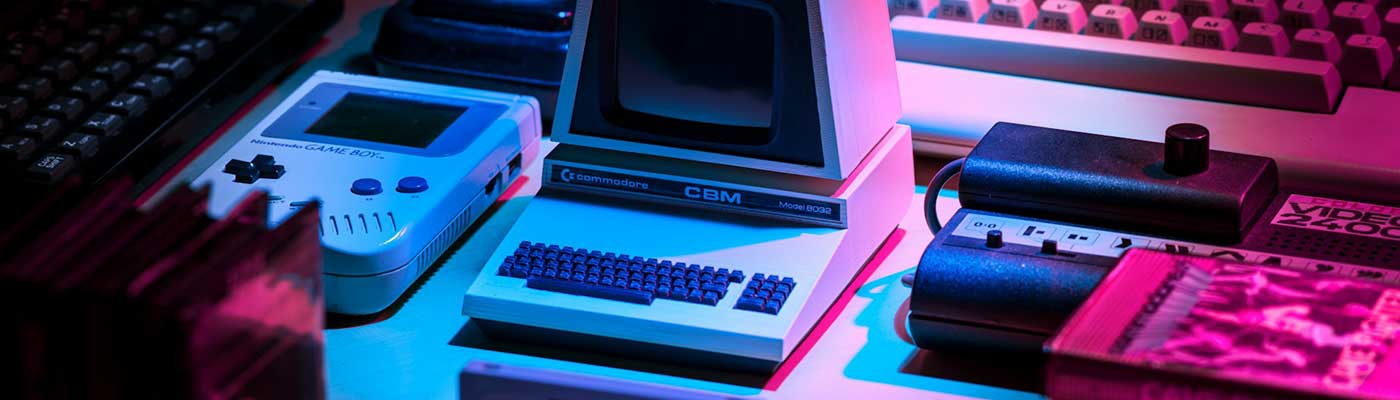
The ZX Spectrum and Commodore 64 never fully disappeared, but in 2026, they have shifted from quiet nostalgia into something far more visible. New handheld devices, FPGA-based recreations, and active development scenes have pushed both machines back into relevance. This is not a simple retro revival. It is a reactivation of two platforms that now operate across hardware, software, and collector culture simultaneously.
The Handheld Moment That Reignited Attention
The turning point came with the announcement of two dedicated handheld systems: The Spectrum Handheld and THEC64 Handheld, both scheduled for release in late 2026. These are not generic emulation devices. Each one is designed to reflect the identity of its original system, from casing design to bundled software.
The hardware itself is modern enough to remove friction. A 4.3-inch IPS screen, USB-C charging, MicroSD card support, and compatibility with external controllers make them practical devices, not novelty items. At the same time, they avoid over-polishing the experience. The goal is not to modernize the machines beyond recognition, but to make them usable again without erasing what made them distinctive.
This balance explains why they are gaining attention beyond traditional collectors. They sit between preservation and usability, which is where most retro hardware struggles.
The Software Choices Reveal A Different Kind Of Nostalgia
The included game libraries highlight a key difference between this revival and earlier ones. Instead of relying on globally recognized console hits, both handhelds focus on titles that defined home computer gaming in Europe.
This approach mirrors the modern European market, where a wide range of genres continues to evolve alongside established formats. The best videogames like competitive shooters, creative sandbox games, or immersive RPGs, span structured worlds like The Legend of Zelda, open creativity in Minecraft and Roblox. They also include large-scale role-playing experiences such as Baldur’s Gate and Genshin Impact.
On the Spectrum side, games like Manic Miner, Skool Daze, and Head Over Heels emphasize design experimentation and personality. These are not straightforward arcade conversions. They are often abstract, difficult, and structurally unusual. Compared to modern open-ended systems like Minecraft or expansive worlds seen in The Legend of Zelda, these games operate within tight constraints that force precision and creativity.
The Commodore 64 lineup leans into technical strengths. Titles such as Paradroid, Nebulus, and Speedball 2 showcase smoother animation, stronger sound design, and more arcade-like pacing.
While modern players may gravitate toward fast-paced titles like Counter-Strike, Valorant, or Apex Legends, the C64 library shows how mechanical depth and timing once carried gameplay without complex systems or live-service layers.
The contrast between these libraries reinforces the idea that these machines were never interchangeable. More importantly, it highlights why they still matter: they offer a distinct design language that contrasts with today’s dominant gaming trends.
Physical Culture Is Driving Part Of The Comeback
Collector editions tied to classic magazines like Crash and Zzap add another layer to the resurgence. These releases are limited, highly stylized, and rooted in the media ecosystem that originally surrounded the machines.
For many users, the Spectrum and Commodore experience was never limited to the hardware. It included:
- magazine reviews and cover art
- type-in programs
- cassette cases and printed inserts
- loading screen artwork
- community-driven tips and tricks
Modern retro products are now acknowledging that context. Instead of isolating the machine, they recreate the surrounding culture.
FPGA Systems Are Making Retro Hardware Viable Again
Alongside handhelds, FPGA-based recreations such as the Commodore 64 Ultimate are advancing the technical side of the revival. These systems do not rely on traditional emulation. Instead, they replicate the original hardware logic at a low level.
The result is a system that behaves like a real Commodore 64 while supporting modern outputs such as HDMI, USB, and Wi-Fi. Compatibility levels are high enough to run original software with minimal differences, while also allowing modern conveniences like MicroSD storage.
Users no longer have to choose between authenticity and usability. FPGA systems deliver both, which expands the audience beyond enthusiasts.
The ZX Spectrum Is Still Being Actively Developed
The ZX Spectrum Next project demonstrates that the platform is not only being preserved but actively extended. The latest iteration has built a substantial library of new games and applications, pushing the ecosystem beyond simple re-releases.
Instead of relying entirely on archived software, the Spectrum now has ongoing development. New titles are being produced with modern tools but within the constraints of the original design philosophy.
Why 2026 Favors Machines Like These
The broader context explains why this shift is happening now. Modern gaming has moved toward complexity, scale, and continuous updates. While that model works, it has also created fatigue.
Older systems offer a different experience:
- clear rules and boundaries
- immediate gameplay without onboarding friction
- defined start and end points
- strong visual identity
At the same time, modern hardware has made these systems easier to access than ever. Portable devices, browser-based emulation, and plug-and-play recreations remove the barriers that once kept retro computing niche.
Spectrum And Commodore Still Represent Different Ideas
Part of the continued interest comes from the fact that these machines were never the same. The ZX Spectrum reflects a more improvised, low-cost approach to computing. It is closely tied to early coding culture and experimentation.
The Commodore 64 represents a more structured system with stronger audiovisual capabilities. Its SID chip, smoother graphics, and broader international reach gave it a different identity.
That contrast still matters. It creates two parallel entry points into retro computing, each with its own logic and appeal.