
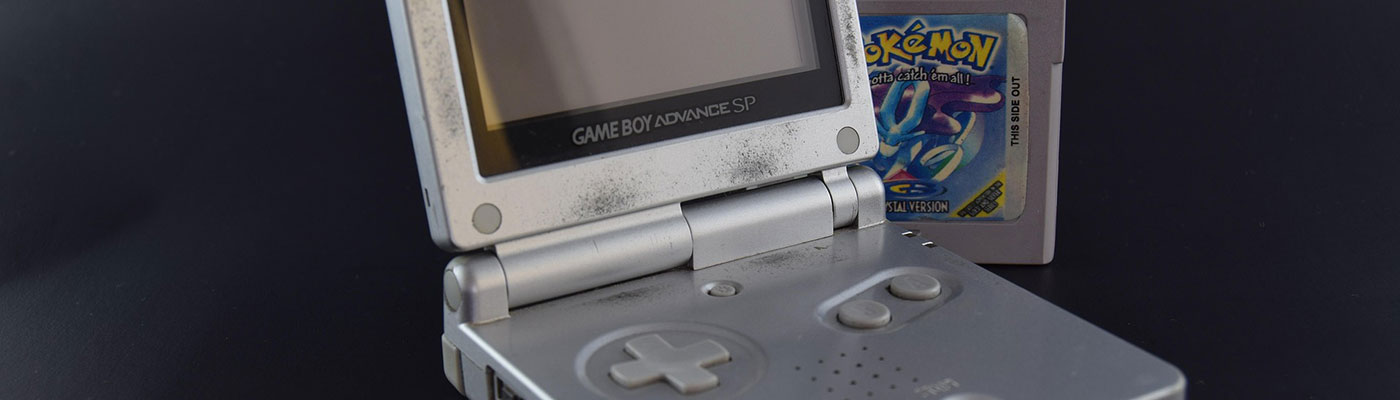
For many players, the thrill of gaming has never been just about the play itself. Collecting has always been a big part of it. In the days of bulky cartridges and grey plastic cases, the chase to find a rare title at a market or a local shop gave the hobby an extra spark. Today, a new generation feels a similar pull as they trade virtual goods inside modern games. Both past and present share that same sense of the hunt, even if the items have changed.
From Early Swaps to Online Forums
In the 1980s and 1990s, players often swapped cartridges with friends or neighbours. A copy of Street Fighter II might be traded for Super Metroid for a couple of weeks. There were no online ratings or big collectors’ markets back then. The excitement came from having a new adventure in your hands.
That spirit of swapping moved online as forums and retro gaming groups began to grow in the 2000s. Players started to trade or sell their copies of rare titles. Some games gained a reputation as prized collector’s items, like EarthBound or the first print of Zelda: Ocarina of Time. These physical exchanges still give people a sense of history and connection to the early days of gaming.
In today’s gaming scene, a different kind of trading has appeared. Many who once hunted for classic cartridges now look for skins and rare items in online titles. Even those who enjoy the thrill of finding digital collectibles often like the buzz of chance-based rewards. There are non GamStop casinos UK players can use that capture some of that same excitement. They feature retro-themed slot games and reward systems that echo the feeling of opening a brand-new cartridge, along with quick sign-ups and bonus deals that appeal to those who remember the old thrill of the hunt.
The Shift to Digital Collectibles
Digital skins became a mainstay when online multiplayer games began offering ways to customise characters. Early examples included extra outfits or weapon colours in shooters. Later, as in-game markets grew, rare skins started selling for real money. Players who once carried boxes of cartridges under their arms now hunt limited-edition digital designs on trading sites.
The thrill is familiar. Some skins are hard to find or only appear in limited events. Much like those who search flea markets for a boxed copy of a favourite retro title, modern collectors keep watch for rare drops in seasonal game events. The object has changed, but the chase remains.
Nostalgia Driving the New Hunt
There’s a reason why pixel art and vintage styles show up in many of today’s games and online marketplaces. Those who grew up swapping cartridges often still feel the rush that came with adding a rare title to their shelf. Skins that echo the look of old titles or carry references to classic characters hold special appeal.
Retro-styled online casino slots use similar ideas. They bring back the look and sound of arcade machines and early consoles, with simple graphics, bright colours, and catchy effects. Even though the format is different, the sense of a familiar past helps draw people in.
Rarity and Story Value
Collectors, whether they chase plastic shells or digital code, often care about rarity. A copy of an early game with the original box feels special because it has a history. Likewise, a rare skin linked to a one-time online event becomes a badge of dedication for players.
Stories also give value. A game cartridge marked by a previous owner or linked to a famous tournament can feel like it carries a fragment of gaming history. A digital skin tied to a one-off event or a big competition carries a similar tale. This sense of story is what links the old world of cartridge swapping with the modern trade in digital goods.
Community and Connection
In the past, swaps often happened through local markets, clubs, or gaming meetups. It built a sense of community around the hobby. Today, trading digital skins happens on platforms and in game chats across the world. The connection may be online, but it still ties people together over a shared passion.
Collectors still gather in forums, Discord channels, or social media groups to show off their finds. Some even share guides about spotting fake cartridges or avoiding scams in online trades. The human side of collecting, including asking questions, sharing excitement, and showing rare items, remains strong.
The Changing Nature of Value
Physical cartridges can be held, stored, and displayed on a shelf. Their value often goes up with age if they are well kept. Digital skins, in contrast, depend on the life of the game they belong to. If a title loses popularity or the servers shut down, a skin might lose its worth.
That shift changes the way collectors think about their treasures. Some see digital goods as less secure, while others treat them as part of living games rather than permanent keepsakes. The difference shows how much the culture of collecting has moved from objects you can touch to things that exist only on a screen.
Bridging Two Generations of Players
The rise of digital trading has not erased the old ways. Retro fairs, online auctions, and second-hand shops still see plenty of interest in original hardware and games. Many players enjoy both worlds: hunting for a missing cartridge to fill a shelf at home and also picking up a rare skin in a favourite online shooter.
This bridge between generations shows that the need to collect is about more than just the object. It reflects a desire to hold a piece of a gaming world, whether physical or digital. Each item marks a memory, a story, or a connection to a moment in the hobby’s history.
Looking Ahead Without Closing the Past
As online gaming continues to grow, the trade in skins and other digital items is likely to expand. Yet, the love for old cartridges is unlikely to fade. Many players still seek out retro titles and want to experience the past for themselves. Collectors keep passing on knowledge about how to look after older hardware and software.
The collector’s hunt may look different today, but the feeling at its heart remains the same. The rush of finding something special, whether in a second-hand shop or an online drop, still drives players to keep searching. The story of swapping and trading, old or new, shows that the spirit of collecting never really leaves the gaming world.