
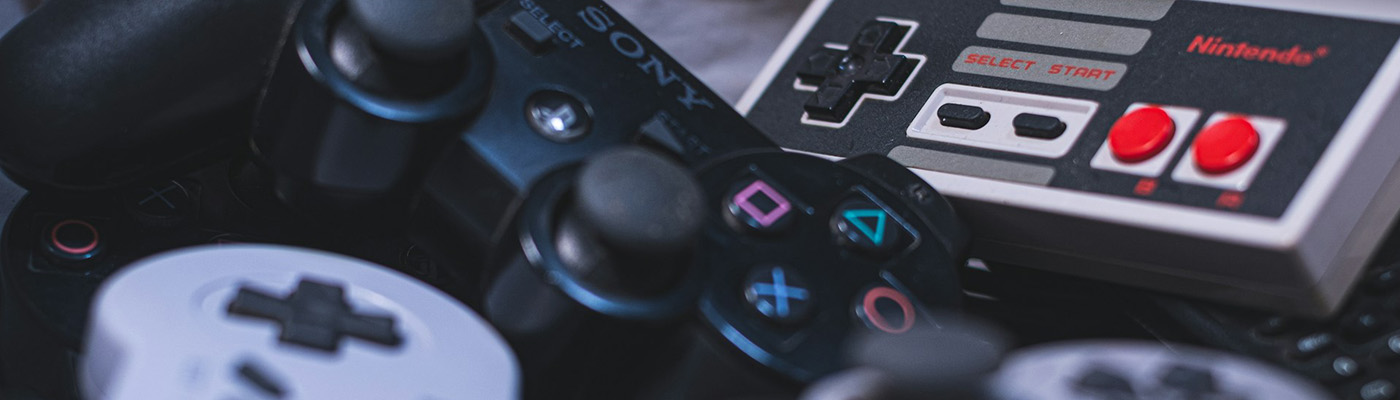
The video game industry has changed beyond recognition since the 1980s and 1990s. Arcade cabinets have given way to powerful consoles, online multiplayer has become the norm, and graphics are now more lifelike than ever before. Yet, despite decades of technological progress, many of the characters that defined gaming’s golden age remain just as recognizable today.
From blockbuster movies and mobile games to collectibles and crossover events, classic gaming icons continue to reach new audiences. Their longevity is not just down to nostalgia. It comes from memorable designs, timeless gameplay, and the ability to evolve alongside the industry.
Retro gaming has also left its mark on other forms of digital entertainment. Pixel art, arcade-inspired visuals, and familiar gaming themes continue to influence everything from indie games to online casino titles. Players interested in that side of gaming often compare promotions such as BetUS casino bonus codes before trying different platforms. While these games draw inspiration from gaming’s past, gambling should always be enjoyed responsibly and treated as entertainment.
Pac-Man proved simple could be timeless
When Pac-Man arrived in arcades in 1980, few could have predicted its lasting impact. The yellow, dot-munching hero was unlike anything players had seen before. Instead of battling aliens or shooting enemies, the goal was simple. Navigate a maze, avoid ghosts and chase a high score.
That straightforward gameplay made Pac-Man incredibly accessible. Children, teenagers and adults could all pick it up within minutes, helping it become one of the defining arcade games of the decade. The character himself quickly became just as famous as the game, appearing on lunchboxes, television shows, toys and clothing.
More than four decades later, Pac-Man is still part of gaming culture. He has appeared in crossover titles such as Super Smash Bros., modern releases like Pac-Man 99 and countless collections celebrating gaming history.
His success demonstrated an important lesson that developers still follow today. Memorable characters do not need complicated backstories or realistic graphics. Sometimes, a simple design is all it takes to create a lasting icon.
Mario continues to set the standard
If one character represents the history of video games, it is Mario. Since Super Mario Bros. launched on the Nintendo Entertainment System in 1985, Nintendo’s famous plumber has become one of the world’s most successful gaming mascots.
Part of Mario’s appeal comes from his versatility. Rather than relying on one type of game, he has starred in platformers, racing games, sports titles, role-playing adventures, puzzle games and party games. Each new release introduces fresh ideas while keeping the familiar charm that fans expect.
Mario has also become much more than a video game character. The success of The Super Mario Bros. Movie, along with theme parks, toys and clothing lines, has introduced him to entirely new audiences. Even people who rarely play games can recognize the red cap, blue overalls and trademark mustache.
Very few characters have remained this relevant for over 40 years. Mario proves that strong character design and consistent quality can outlast changing technology.
Sonic still defines speed
When Sega launched Sonic the Hedgehog in 1991, it wanted a mascot capable of competing with Mario. Sonic’s speed, attitude, and colorful worlds immediately helped him stand out during the console rivalry between the Sega Genesis and the Super Nintendo.
While the franchise has experienced highs and lows over the years, Sonic has never disappeared. New games continue to introduce the blue hedgehog to younger players, while successful Hollywood movies have reignited interest among longtime fans.
Sonic’s enduring popularity shows that classic characters can evolve without losing their identity. His games may look very different from those released in the early 1990s, but the fast-paced gameplay and energetic personality remain at the heart of the franchise.
Pokémon became much bigger than a game
When Pokémon Red and Pokémon Blue launched for the Game Boy in the late 1990s, they introduced players to a simple goal: catch, train, and battle creatures while exploring a colorful world. Few could have imagined just how successful the series would become.
Today, Pokémon is one of the world’s largest entertainment franchises, extending far beyond handheld gaming.
Its success includes:
- Mainline video games spanning multiple Nintendo generations
- The long-running animated television series
- A globally popular trading card game
- Mobile hits such as Pokémon GO
Characters like Pikachu, Charizard, Eevee, and Mewtwo have become instantly recognizable, even among people who have never played the original games. That broad appeal has allowed Pokémon to connect multiple generations of fans while continuing to grow with each new release.

Why these characters continue to last
Not every gaming mascot survives for decades, but the most successful ones tend to share several important qualities.
They are:
- Instantly recognizable, even from a simple silhouette
- Easy for new players to understand
- Flexible enough to appear in different genres and platforms
- Strong enough to support movies, merchandise and collaborations
Developers have also done an excellent job of balancing nostalgia with innovation. Rather than simply repeating the past, they update graphics, gameplay, and storytelling while preserving the personality that made these characters popular in the first place.
Crossovers have helped keep these mascots in the spotlight as well. Whether they appear in fighting games, mobile apps or anniversary collections, familiar characters introduce younger players to gaming history while giving longtime fans another reason to return.
More than just nostalgia
Classic video game characters have earned their place in popular culture because they were built on strong ideas rather than passing trends. Pac-Man, Mario, Sonic, and Pokémon have all adapted to changing technology while remaining familiar to millions of players around the world.
Their influence reaches far beyond the consoles where they first appeared. They continue to inspire game developers, filmmakers, artists, and creators looking to capture the same sense of fun that made these characters so memorable decades ago. Whether someone first met Pac-Man in an arcade, raced through Green Hill Zone as Sonic or collected Pokémon on a Game Boy, those experiences continue to shape gaming culture today.
As the industry continues to evolve, these legendary characters show no signs of disappearing. Instead, they serve as a reminder that while technology constantly changes, memorable characters never go out of style.