
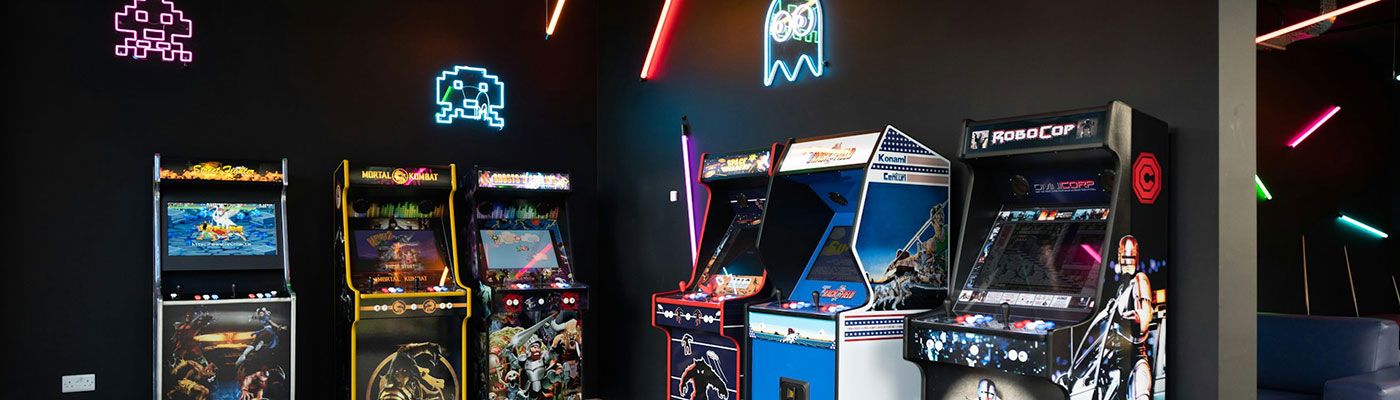
For many people who grew up during the 1970s, 1980s and 1990s, local arcades were more than just places to play video games. They were social hubs and gateways to a rapidly evolving form of entertainment that would eventually become one of the world’s largest industries. Long before online multiplayer gaming, digital storefronts and streaming platforms, arcades provided a unique environment where players could compete, learn and connect.
Today, gaming is often experienced from the comfort of home, but the influence of local arcades can still be seen throughout modern gaming culture. From competitive gaming to online communities, many of the habits and traditions that define gaming today can be traced back to the arcade era.
The Rise of the Arcade
The popularity of arcades exploded during the late 1970s and early 1980s as video games became increasingly accessible to the public. Arcade machines such as Pac Man, Space Invaders and Donkey Kong attracted players of all ages, turning arcades into busy destinations across towns and cities throughout the UK.
For many young people, arcades offered access to games that simply could not be replicated at home. Home consoles existed, but their capabilities were often limited compared to the impressive graphics and gameplay experiences available in arcades. This made every visit feel exciting, with new machines regularly appearing and offering something players had never seen before.
A New Type of Social Space
One of the most important aspects of local arcades was the social environment they created. Unlike modern online gaming, where players often interact through headsets and party chats, arcades brought people together in physical spaces where they could watch, compete and learn from one another.
Players would gather around popular machines to observe skilled gamers, study techniques and share tips. It was common for crowds to form around someone attempting to set a new high score or complete a particularly difficult level. These moments created a sense of community that helped transform gaming from a solitary activity into a shared cultural experience.
Learning Through Competition
Competition played a significant role in shaping the gaming habits of arcade players. With every game costing money to play, there was a strong incentive to improve skills and make each credit last as long as possible. This encouraged players to develop patience, practice strategies and master game mechanics.
High score tables became symbols of status within local gaming communities. Having your initials displayed at the top of a machine was a source of pride and recognition among fellow players. Unlike modern ranking systems that can involve millions of participants worldwide, arcade leaderboards often represented direct competition between local players who knew one another.
This competitive spirit helped lay the foundations for many aspects of modern gaming culture. The desire to improve performance, beat records and compete against others remains central to gaming today, whether through online rankings, speedrunning communities or professional esports tournaments.
Introducing New Genres and Experiences
Arcades also played a crucial role in introducing players to new types of games. Developers frequently used arcade machines to experiment with fresh ideas and innovative gameplay mechanics, creating experiences that would later influence home gaming for decades.
Fighting games became particularly popular within arcades during the early 1990s. Titles such as Street Fighter II encouraged face to face competition and attracted players eager to test their skills against real opponents. Racing games, shoot em ups and sports simulations also thrived in arcade environments, helping expand the tastes and interests of gamers.
Because arcade owners regularly updated their machines, players were constantly exposed to new experiences. Alongside classic video games, many amusement venues also featured fruit machines and other gaming cabinets, introducing visitors to titles such as Double Bubble alongside more familiar arcade favourites. This encouraged curiosity and experimentation, helping gamers develop a broader appreciation for different styles of play.
How Arcades Changed Gaming Forever
The nostalgia surrounding arcades is about more than old games and vintage machines. It reflects a period when gaming was a shared experience that brought people together in physical spaces. Arcades encouraged social interaction, friendly competition and a sense of belonging that many players still remember fondly.
Their impact extends far beyond entertainment. Local arcades helped shape the habits, communities and passions of an entire generation of gamers. They introduced people to new technologies, fostered friendships and inspired countless careers within the gaming industry.
As gaming continues to evolve, the legacy of local arcades remains clear. They were not simply places to play video games. They were the foundation upon which much of modern gaming culture was built, helping create the vibrant and diverse gaming community that exists today.