
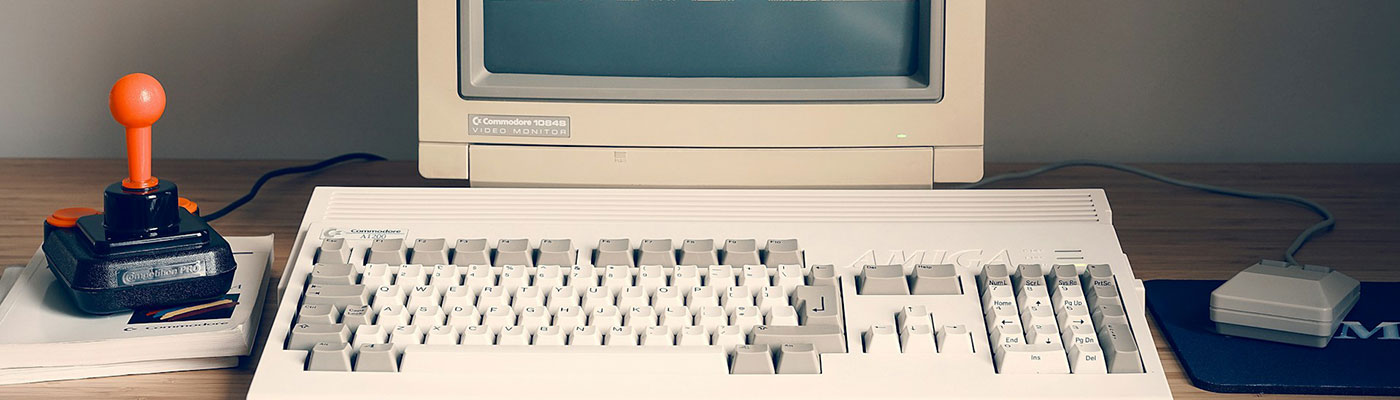
Back in the early 2000s, logging onto the internet started with the screech of a dial-up modem. Web pages loaded slowly, chat rooms felt thrilling, and finding a song often meant waiting hours for a single download. Two decades later, online entertainment seems almost unrecognizable. Movies stream in seconds, games appear inside social feeds, and entire concerts happen in virtual worlds. Looking at the timeline helps to see just how rapidly habits, tools, and expectations have shifted. From the growth of smartphones to the arrival of cloud servers, each new step has changed the way people relax after school or work. Even the once famous dial-up tones now feel like an ancient memory. By tracing video, music, gaming, and social trends, this article shows how far things have come and what might arrive next. Understanding the journey makes today’s on-screen fun feel even more amazing. It also hints that tomorrow’s innovations will appear faster than anyone expects.
From Buffering Clips to Instant Streaming
Back in 2003, watching a video online often meant pressing play, then staring at a progress bar as seconds crawled by. Small, grainy clips were considered a treat because broadband was still rare. Today, high-definition movies stream almost instantly onto phones, tablets, and smart TVs. Algorithms learn viewing tastes, recommend whole series, and even start the next episode before credits roll. Live streams of sports, gaming, and classroom lessons reach global audiences with only seconds of delay. The leap from buffering to binge-watching came from faster networks, smarter compression, and servers placed closer to viewers. It also sparked new businesses, from subscription platforms to pay-per-view events. Interestingly, the same broadband boom that powered video also opened doors for remote play at top exciting hubs like Online casinos for Poles offering card tables, slots, and tournaments that feel almost real, a promise that looks set to keep growing toward an even more immersive 2026. Family movie nights now begin with voice search, not a stack of DVDs.
Multiplayer Gaming Goes Social
At the start of the century, most computer games were single-player adventures or local multiplayer matches with friends huddled around the same screen. As internet speeds climbed, developers added online modes that linked strangers from different cities. Voice chat, leaderboards, and downloadable updates kept communities active long after release day. Esports tournaments soon filled arenas and gained television slots, showing that digital matches could be as thrilling as any physical sport. Casual titles on social networks invited millions who had never owned a console to join in daily. The rise of mobile gaming then placed vast libraries in everyone’s pocket. Not surprisingly, interest in real-money play also soared. For many fans, an online casino quick search leads, after a few clicks, to kasynaonlineopinie.com where reviews, tips, and safety checks sit beside game previews, making the experience transparent and fun, fully compliant with rules and clearly available to Poles at all times today.
Betting, Lotteries, and Virtual Tables Expand
In the early 2000s, placing a sports bet online required downloading clunky software and trusting unfamiliar payment pages. Regulation was loose, and many fans felt uneasy about security. Over time, governments set clearer rules, payment firms added layers of protection, and independent auditors began testing game fairness. The result was a safer and far broader choice of platforms. Live-dealer tables now stream from studios in real time, letting players chat with hosts while placing chips from the couch. Mobile apps send alerts when odds shift during a match, and jackpots can climb into the millions overnight. Those seeking variety may scroll through sites registered with an international license before arriving at online casino pl, a portal that lists roulette rooms, card games, and slot themes inspired by movies, then compares weekly tournaments, welcome spins, and other treats, all highlighting great bonus offers for newcomers and loyal members alike in the years ahead. Such perks make digital betting feel closer to a video game quest.
Social Media and Shared Experiences Shape the Future
Entertainment today is no longer a solitary activity. Social media layers chat, reactions, and trending tags over almost every type of content. Teens watch videos while texting friends, share game clips within seconds, and vote in live polls that change what happens on screen. Platforms keep adding interactive tools such as augmented-reality filters, duets, and tip jars for creators. Music stars now debut singles during in-game events viewed by millions of avatars dancing together. Classroom field trips, comedy shows, and fitness sessions are also moving into persistent 3-D spaces that many call the metaverse. Powerful headsets, haptic gloves, and 5G networks promise a future in which sights, sounds, and even touch cross continents instantly. While no one can predict exactly which gadgets will dominate, one lesson stands out: the communities built around shared fun will keep steering new formats. Fans, rather than studios, increasingly decide where, when, and how the next big hit appears.