
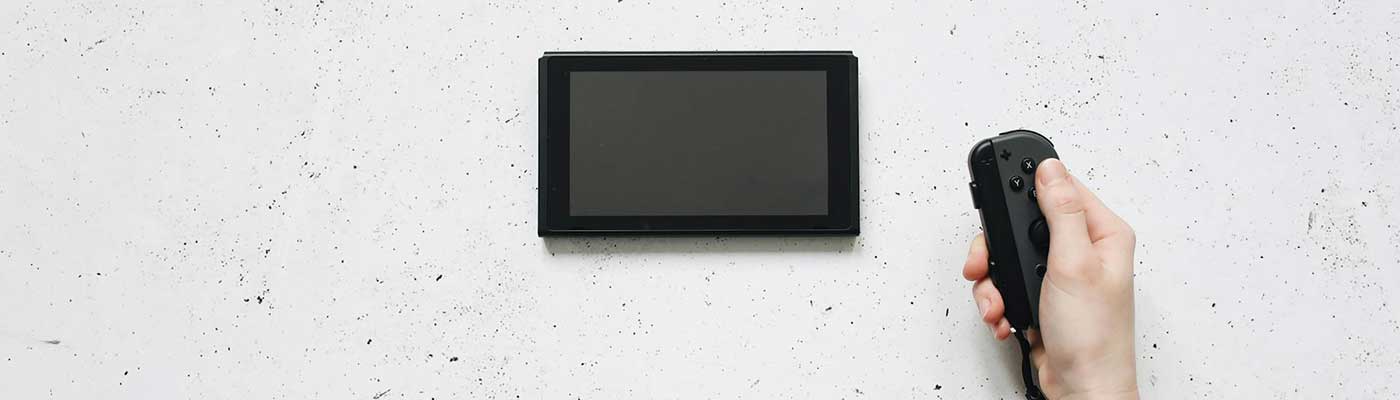
Portable gaming did not take over because screens got sharper. It took over because it taught people to treat entertainment as something that could fit inside the loose edges of a day. A train ride, a lunch break, 10 minutes before class, a few quiet minutes before bed. Handhelds turned those fragments into playtime. That shift changed more than hardware. It changed what people expected from games: faster entry, clearer feedback, and sessions that felt complete even when they were short.
That is why the history of portable gaming is really a history of behavior. Early handhelds succeeded because they respected interruption. You could pick them up quickly, make progress, and stop without losing the thread. An open-access study on video game players’ switching behavior found that perceived flexibility is one of the factors that shape the move from traditional gaming to mobile gaming, which feels very close to the design logic older handhelds established long before smartphones took over. The technology changed. The rhythm stayed familiar.
From Carrying a Device to Carrying a Habit
The bigger story is not that consoles became smaller. It is that entertainment stopped needing a dedicated machine in order to feel playable. Once games lived on the same device people already used for messages, maps, music, and video, portable play stopped being a category and became a default expectation. That is where modern short-session formats make sense, because they fit the same waiting-time logic that once made the Game Boy feel essential.
Inside a casino platform, for instance, crypto slots offer an ideal example of that portable, low-setup style of play. They are built around quick visual recognition, immediate feedback, and sessions that do not require a long ramp-up before the format feels readable. That matters because handheld culture trained players to value clarity on small screens. Symbols had to be legible. Actions had to feel instant. Progress had to register fast. Slots offer all of these elements nicely.
Small-screen entertainment works best when the player can understand the loop without a long tutorial or a lot of setup. If you want to get to grips with how those habits survived the move from cartridges to phones, crypto slots offer a live example of entertainment shaped for spare minutes rather than long, fixed sessions. Seen that way, the format is less a break from portable gaming history than an extension of the same compact design logic that made handheld play such a natural fit for everyday life.
And of course, today, we have many other conveniences that make this kind of setup engaging for us. Push notifications have grown in popularity, helping players keep quick-entry entertainment close at hand and ensuring their engagement levels stay high, even when they are only gaming for short periods. Where an older handheld stayed in a backpack waiting for a spare moment, today’s play formats can surface themselves at the right time and then disappear just as quickly.
View this post on Instagram
Waiting Time Became Entertainment Time
This is the part people often miss when they talk about portable gaming as a hardware story. The real breakthrough was cultural. Handhelds made it normal to think of waiting time as usable entertainment time. Before that, games usually asked for a place, a screen, and a block of attention. After that, games could live between other activities without feeling lesser. That small shift changed design everywhere. That expectation now reaches far beyond games into everyday digital entertainment habits.
You can still see it in modern entertainment. Games teach themselves faster. Interfaces rely on quick recognition. Sessions are broken into clean loops. Players are not always sitting down for an evening of focused play. Often, they are moving through a day that comes in fragments. Portable gaming understood that reality early, and the rest of digital entertainment followed. The strongest modern formats are often the ones that respect interruption instead of fighting it. They feel ready when you are ready. They do not demand ceremony before they become enjoyable.
The Future Kept the Same Rhythm
That is why nostalgia alone does not explain the staying power of handheld design. People remember the original machines fondly, but the reason those formats still matter is more practical than sentimental. They solved a real problem elegantly. Most lives are not arranged in long, uninterrupted stretches. They are made of pauses, gaps, delays, and transitions. Portable gaming turned those pieces into something enjoyable without asking for much setup.
The future of entertainment still runs on that same logic. The screen is brighter, the connection is faster, and the range of formats is much wider, but the underlying appeal is familiar. People still want experiences that are short, clear, and easy to return to. Smartphones did not invent the pocket-play instinct. They inherited it from handheld gaming and made it permanent, a pattern echoed in open-access research on mobile game experience and user satisfaction.